
Aromatic solvents such as benzene, toluene, and xylene are widely used as raw materials and cleaning agents in chemical production, paint and coating manufacturing, ink printing, and pharmaceutical synthesis. This type of solvent has extremely strong swelling ability - ordinary rubber pipes undergo volume expansion, strength reduction, or even complete dissolution within hours to days after contact, leading to pipeline leaks, medium contamination, and even safety accidents. Oil resistant and benzene resistant rubber tubing is a professional product designed for this working condition - it uses nitrile rubber (NBR), fluororubber (FKM), and special composite formulas to construct an aromatic hydrocarbon resistant barrier, ensuring the integrity of the sealing structure with low swelling rate, and becoming a "solvent resistant artery" for transporting benzene containing media in the fields of coatings, inks, and chemicals.
News
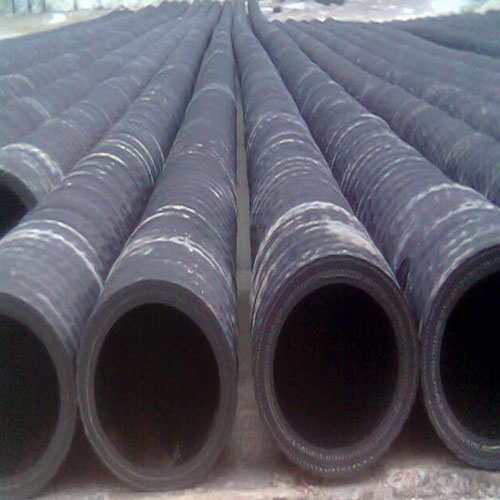
Corrosion resistant chemical, oil resistant, benzene resistant rubber pipe, resistant to aromatic so
1、 Swelling mechanism of aromatic hydrocarbons and tolerance grading of rubber materials
The chemical properties of aromatic hydrocarbon solvents (benzene, toluene, xylene, etc.) determine their "solubility" in rubber materials. According to the swelling theory, "similar solubility" - aromatic hydrocarbons, as non-polar organic solvents, have solubility parameters similar to those of most commonly used rubber molecular chains. They can penetrate between rubber molecular chains, weaken intermolecular forces, and lead to volume expansion and decreased mechanical properties.
The industry has a clear tolerance classification for rubber's resistance to aromatic hydrocarbons. According to the solvent resistance data of common rubber sealing materials, nitrile rubber (NBR) is rated as "4" for aromatic hydrocarbons (swelling, loss of physical and mechanical properties), indicating that conventional NBR performs poorly in aromatic hydrocarbons. Fluororubber (FKM) has a tolerance rating of "2" for aromatic hydrocarbons (which does not affect under certain conditions) and is the preferred solution for aromatic hydrocarbon resistance. Fluororubber can tolerate many aliphatic and aromatic carbohydrates, and has excellent resistance to various oils, fuels, lubricants, and most mineral acids.
Butyl rubber (IIR) is also not recommended for simultaneous use with aromatic hydrocarbons, while ethylene propylene diene monomer (EPDM) has poor stability in aromatic solvents. General rubber can achieve a volume change rate of over 50% when exposed to aromatic hydrocarbons such as benzene and toluene, while fluororubber can be controlled within 10% under the same conditions.
2、 Material selection of benzene resistant hoses: from FKM to composite reinforced structures
For the transportation of aromatic hydrocarbon solvents, the industry has developed a graded material selection scheme ranging from conventional to high-performance.
FKM lining represents the highest grade solution. The carbon fluorine bond in the FKM molecular structure provides extremely high chemical stability, making it highly tolerant to aromatic hydrocarbons such as benzene, toluene, and xylene. The working temperature range of FKM hoses is usually -40 ℃ to+250 ℃, with a burst pressure of 4 times the working pressure. They can maintain low swelling rate and sealing integrity under continuous contact with aromatic hydrocarbon solvents. Its application scenarios include the transportation of benzene solvents in coating production and the transfer of aromatic media in pharmaceutical synthesis.
Nitrile rubber (NBR) composite formula can achieve a balance between cost and performance. Although ordinary NBR is not resistant to aromatic hydrocarbons, by increasing the acrylonitrile content (42% -50%) and combining it with special plasticizers and solvent resistant additives, the swelling rate can be compressed from over 50% to within 30%. By combining phenolic resin or PVC blend modification, the swelling rate can be further reduced. The optimized NBR formula is suitable for scenarios involving intermittent contact with aromatic hydrocarbons or low concentration aromatic hydrocarbon mixed solvents, such as the transportation of aromatic ester mixed solvents in ink production. Industry research shows that the technology of combining rubber and plastic has made progress in improving resistance to aromatic hydrocarbons and ester mixed solvents.
PTFE lining belongs to the ultimate chemical inertness solution. Polytetrafluoroethylene is almost completely inert to aromatic hydrocarbons such as benzene and toluene, with a swelling rate approaching zero. When combined with a stainless steel wire braided reinforcement layer, it can withstand a working pressure of 16 bar and is suitable for extremely demanding aromatic hydrocarbon transportation scenarios.
3、 Low swelling rate to maintain sealing: from joint matching to full cycle management
The sealing reliability of benzene resistant rubber pipes not only depends on the lining material itself, but also requires full cycle management from joint design, installation specifications to daily maintenance.
The material matching between the end joint and the sealing ring is crucial. In conditions containing aromatic solvents, standard NBR seals will rapidly swell and fail - FKM or PTFE coated seals should be selected. It is recommended to use 316L stainless steel for the joint material to avoid pitting corrosion of carbon steel in humid aromatic environments. In addition, the hose should be preloaded with a pressure not exceeding 30% of the rated pressure before the first pressurization after installation - gradually increasing the pressure of the pipe body to 1.5 times the working pressure and holding it for 30 minutes without leakage, to verify the initial reliability of the sealing structure in aromatic hydrocarbon media.
The monitoring and management of swelling rate is the core of preventive maintenance. It is recommended to measure the rate of change in the outer diameter of the hose every quarter - when the outer diameter increases by more than 5%, it indicates that the lining has undergone significant swelling and should be replaced in a timely manner. For continuous transportation scenarios with high concentrations of aromatic hydrocarbons (such as benzene content>30%), the replacement cycle is usually 6-12 months. Waste hoses must not be incinerated - rubber impregnated with benzene media will produce toxic gases during combustion and must be disposed of in accordance with hazardous waste regulations.
In daily inspections, the focus should be on observing whether there are white precipitates at the joint (indicating that the sealing ring is starting to swell), and whether there are bulges or deformations on the surface of the pipe (indicating that the inner lining has undergone severe swelling). When the outer adhesive layer softens or sticks to the hands, it indicates swelling and should be replaced immediately.
In summary, the corrosion-resistant chemical oil resistant and benzene resistant rubber tube, with its FKM/modified NBR material aromatic hydrocarbon molecular barrier, low swelling rate sealing structure guarantee, and PTFE/FKM grading selection scene adaptation, perfectly meets the strict requirements of "safe transportation, reliable sealing, and long-term durability" of benzene solvents in the fields of coatings, inks, and chemicals. From a wide temperature range of -40 ℃ to 250 ℃ to a safety redundancy of 4 times the burst pressure, from controlling the 30% swelling rate of modified NBR to the ultimate tolerance of FKM within 10%, every material selection and technical detail points to the same goal: to provide non swelling, non leakage, and durable flexible guarantees for chemical fluid transportation in strong swelling environments of benzene, toluene, and xylene.